














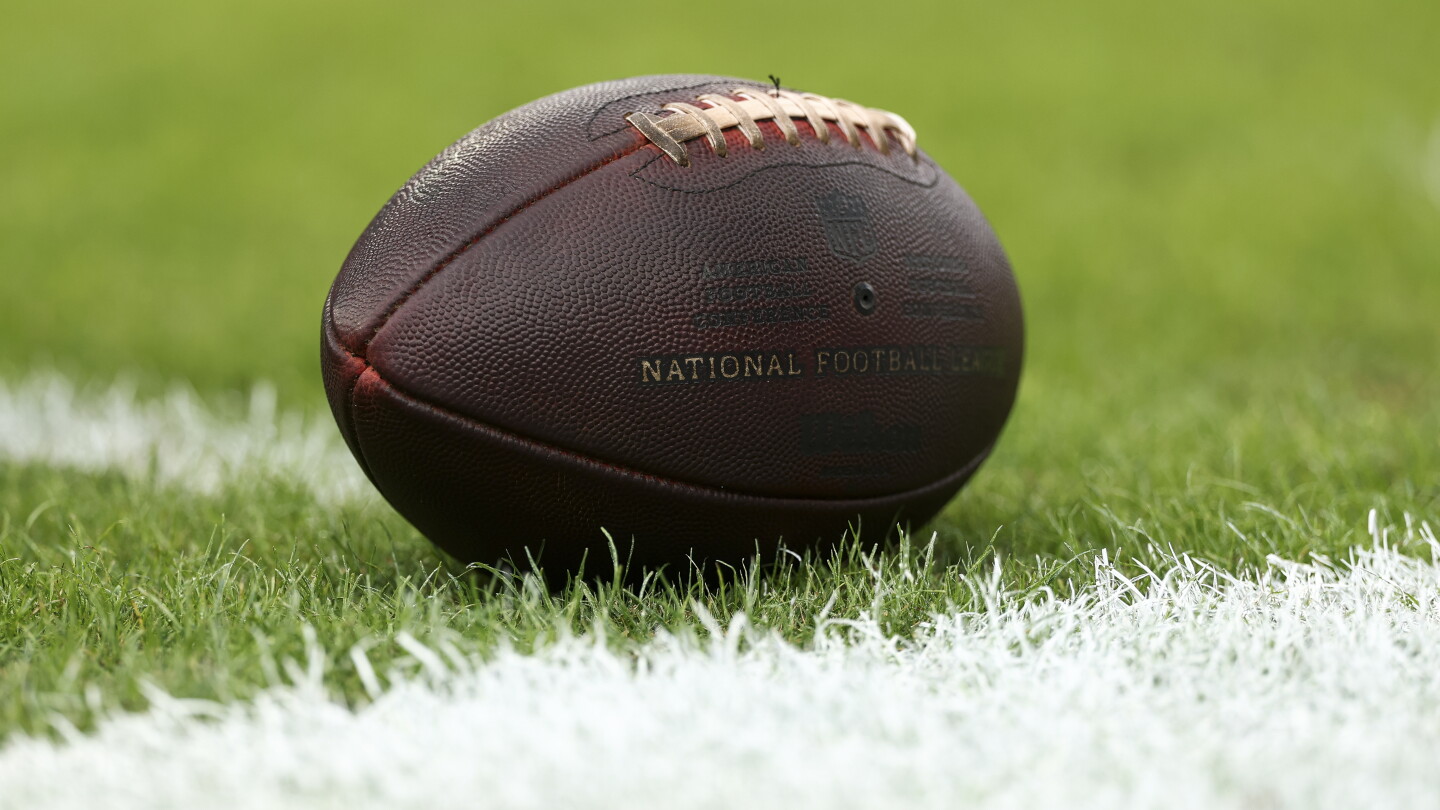
The hosting of the World Cup entails various direct and indirect costs for the 11 NFL stadiums staging matches. One practical reality is that the temporary installation of grass in buildings that use artificial turf for football undercuts the argument that grass isn’t an option in those facilities.
“[T]here’s always been multiple excuses made,” NFL Players Association executive director JC Tretter told Albert Breer of SI.com. “One of which was feasibility of, ‘Hey, it’s not possible, it’s an indoor stadium. We can’t grow grass here. It’s impossible.’ [The World Cup] has taken that out. It’s feasible. Now it’s really a choice.”
And the owners who choose artificial turf have chosen the path of least expenditure.
“[T]hat choice clearly comes down to cost,” Tretter told Breer. “And there’s two types of costs. One is the cost of upkeep and installation. But clearly they’re OK doing that for this event, they just seem not OK doing it for the actual employees they pay. And then the other cost, which kind of frustrates guys, is it’s the trade-off cost of potentially not being able to do other outside-of-football events the teams make money off of. And the players see none of that [money].”
The points are valid. Regardless, it’s now a collective-bargaining issue. How far will the players go to get the surface they overwhelmingly prefer?
“It’s not where I stand, it’s where our guys stand — 92 percent of our guys prefer grass,” Tretter told Breer. “It makes it easy for where I stand. . . It’s hard to find 92 percent of people that agree on anything, and we’ve got 92 percent to agree on what surface they prefer.”
The question is whether at least 51 percent will agree on the strategy for pursuing the issue on which 92 percent of them agree. Will the players make concessions elsewhere to get grass in all stadiums? Will they strike over the issue?
It’s one thing to have a preference. It’s another for that preference to become a sufficient priority to effect change.
Read the full article here