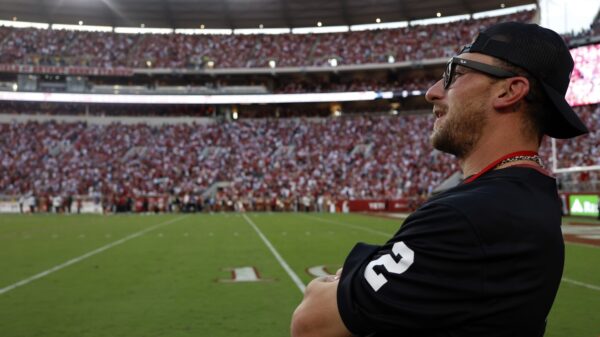












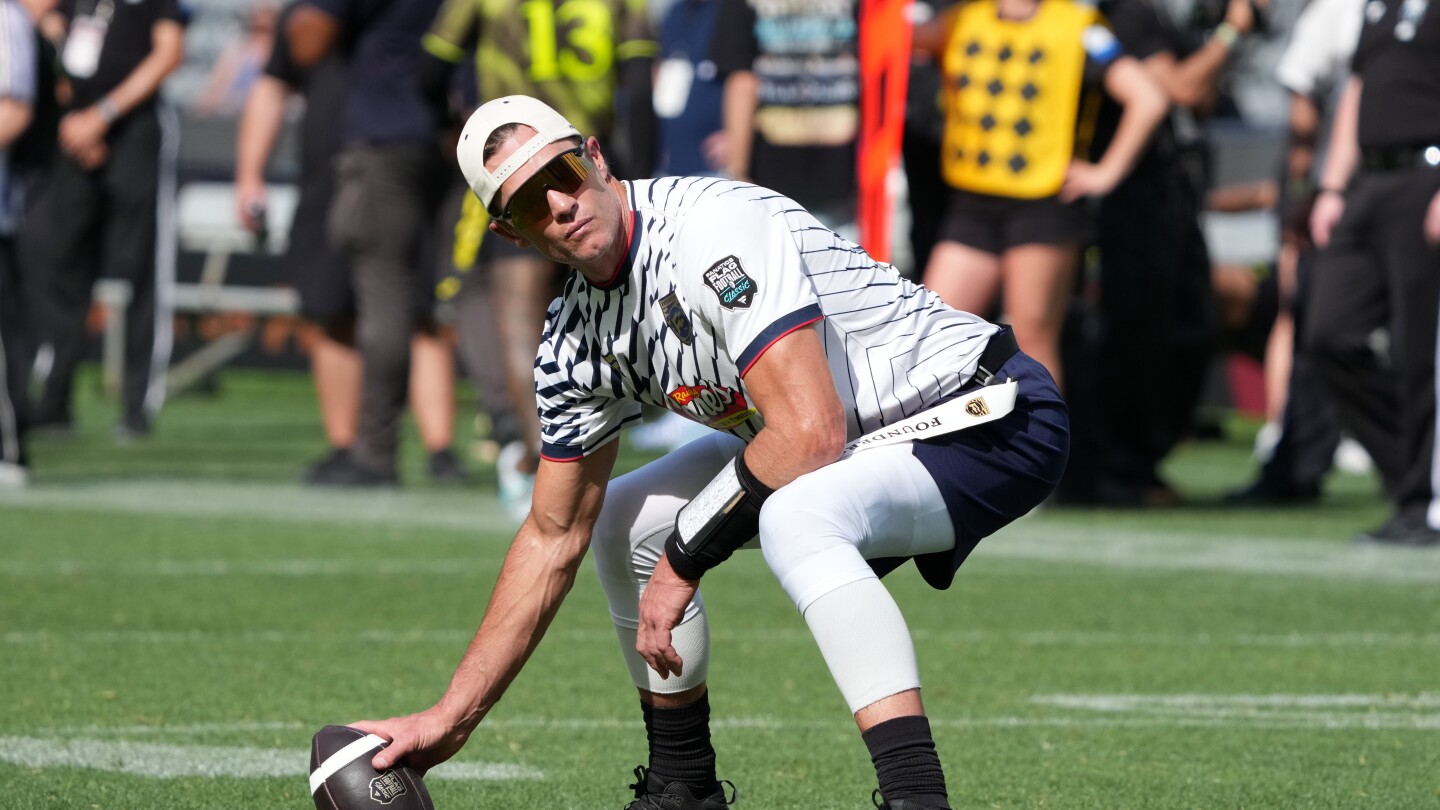
As Raiders minority owner Tom Brady embarks on his second full season with the team, an important question lingers.
Are the Raiders and Tom Brady on the same page regarding his role?
The Raiders have consistently created the impression that Brady has significant influence over the football operation. In January 2025, owner Mark Davis explained that he envisioned Brady to be “somebody on the football [side] that I had been lacking having here in the organization,” replacing Jon Gruden as “somebody that I brought in and really expected to be that person on the football side that would bring stability to the organization.”
Earlier this year, when coach Pete Carroll was fired after one season with the team, the Raiders announced that, “[m]oving forward, General Manager John Spytek will lead all football operations in close collaboration with Tom Brady.”
Last June, Brady provided a far more muted assessment of his job with the Raiders: “I’m just a limited partner, so Mark’s the boss. And then Pete does his job and [Spytek] does his job and, I think, we trust them to make the right decisions. I’m there as a great sounding board for anything they want to do.”
So which is it? Close collaborator or sounding board? When asked over the weekend about his role going forward, Brady filibustered his way through a non-answer.
It’s possible that Brady is simply trying to avoid scrutiny for the franchise’s ongoing struggles. It’s also possible that the Raiders envision one role, and that Brady views himself in a different one.
If it’s the latter, it will eventually become a point of contention. Brady was able to buy his chunk of the team at a below-market value based presumably on the fact that he’ll grab an oar and row. If Brady is simply riding in the boat and periodically answering questions from the folks who are shouting instructions, the captain may begin to have seller’s remorse.
But it’s not as if Davis can do anything about it, unless he’s willing to admit that he made a mistake by assuming that Brady would be doing more than simply being a “sounding board” for the organization.
Read the full article here