





















The 2025 season ended eight days ago. In one day, the first significant moment toward the refinement of rosters for 2026 arrives.
The annual two-week window for applying the franchise tag opens on Tuesday, February 17.
As some have suggested in the past, the only day that really matters is the last day for applying the tag (March 3). But with the Scouting Combine (a/k/a Tampering Central) coming next week, some teams may be inclined to apply the tag before all of them convene in Indianapolis, in order to make it clear that an impending free agent won’t be free.
That’s the most important thing to remember about the franchise tag. It gives each team the ability to block one player per year from earning on the open market a long-term contract from the cash-and-cap-rich teams.
Last year, only two tags were applied — by the Bengals to receiver Tee Higgins and by the Chiefs to guard Trey Smith. It was the fewest total tags since 2006.
This year, there are several intriguing candidates for the franchise tag (or, in theory, the little-used transition tag).
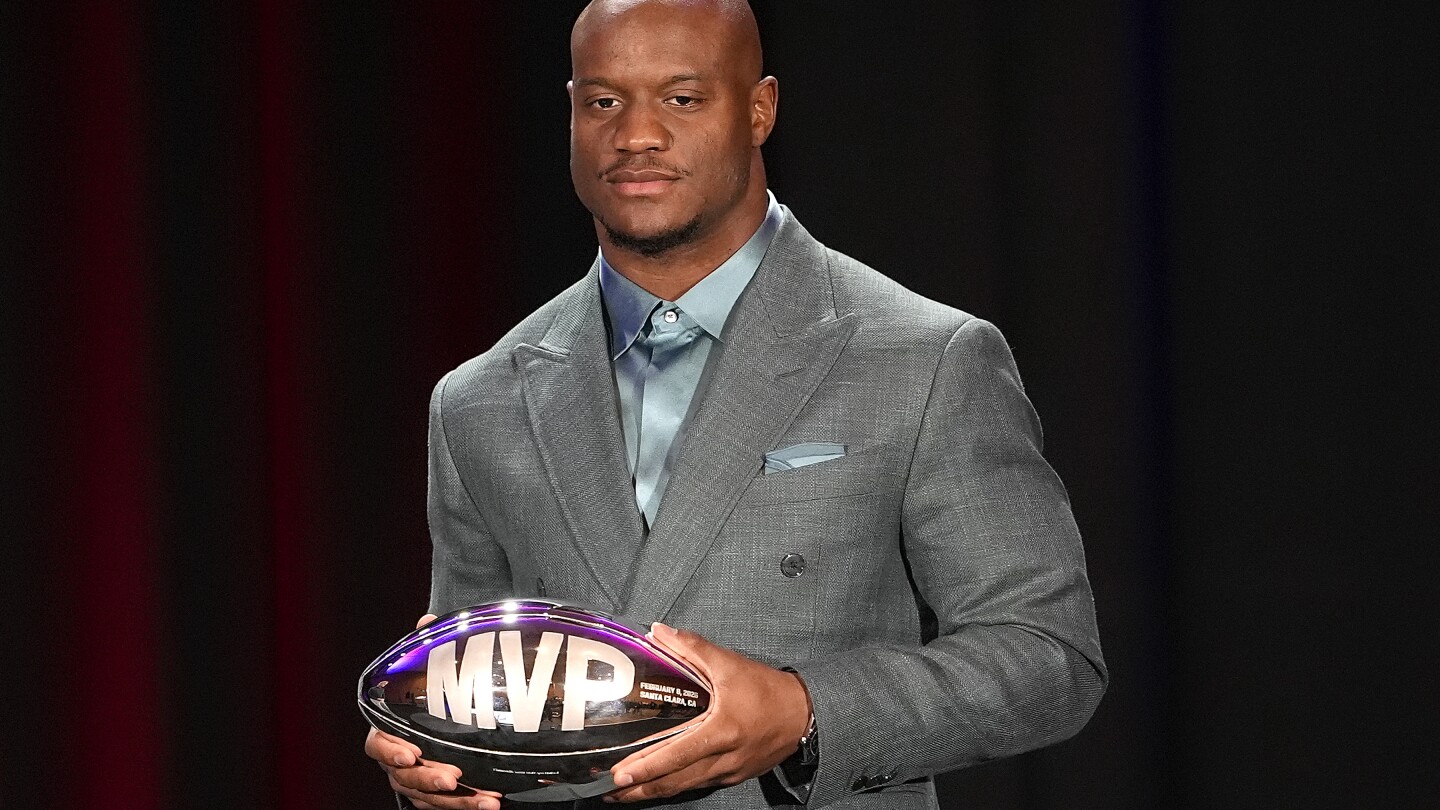
The list starts with Seahawks running back Kenneth Walker III. He finished his 2022 second-round contract with a flourish, gaining 376 rushing yards in three playoff games and winning the Super Bowl MVP award. It would cost the Seahawks $14.1 million to extend Walker’s stay by a fifth year and/or to extend until July 15 the ability to sign him to a long-term deal.
The question for the Seahawks becomes projecting whether another team will break the bank for a running back, and whether Walker (with his name and accomplishments removed from the equation) justifies a major investment moving forward, given the supply-demand realities of the running back position. (In 2006, the Seahawks gave running back Shaun Alexander a market-level deal after his MVP season, and they quickly regretted it.)
Cowboys receiver George Pickens could be headed for the tag, even if he may not be thrilled about it. One year and $28 million falls far short of the market-level, multi-year deal ($40 million per year or more) he may desire.
Falcons tight end Kyle Pitts Sr. will be hitting the market, barring the tag. He had a career high in catches (88) and touchdowns (five), but Pitts has still yet to live up to the potential that made him the fourth overall pick in 2021, one spot above receiver Ja’Marr Chase. It remains to be seen whether the new regime in Atlanta (led by the quarterback who threw passes to Pitts as a rookie) will choose to apply the $16 million tag.
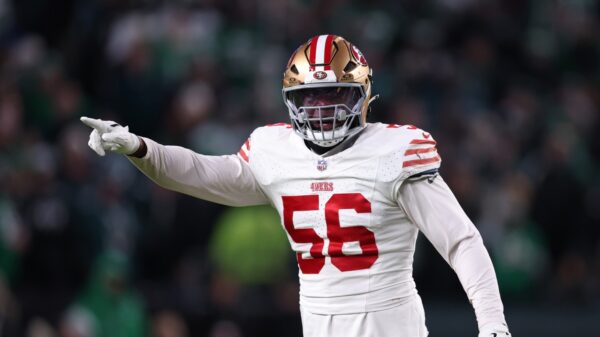
The Eagles sent a third-round pick during the 2025 season to the Dolphins for linebacker Jaelan Phillips. He performed well in Philly, and the Eagles have to decide whether to try to keep him or to let him go, and to collect a potential compensatory draft pick in 2027.
The Bengals may decide to use the tag to keep defensive end Trey Hendrickson around for another year. The price tag ($30.1992 million, based on his 2025 cap number) is high. And there’s lingering acrimony between player and team.
Whatever the final number, the number will likely be far closer to last year’s two than the 2012 record high of 21. That year, the shift in calculation from the 2011 CBA combined with a small bump in the cap due to the lockout made it cheaper to use the tag.
Cheap continues to be the operative word. Teams want to keep their best players without having to pay market rates. And while, in theory, that only impacts the players who don’t get to become free agents, it also holds down the rest of the market by not letting the best free agents get every penny they deserve.
So, yes, the franchise tag stinks for players. But it’s never going away, given that it gives teams the annual ability to keep a highly-talented player around without giving him the contract he has otherwise earned.
Read the full article here