















The drama arising from quarterback Brendan Sorsby’s saucer of sorbet at Texas Tech isn’t ending.
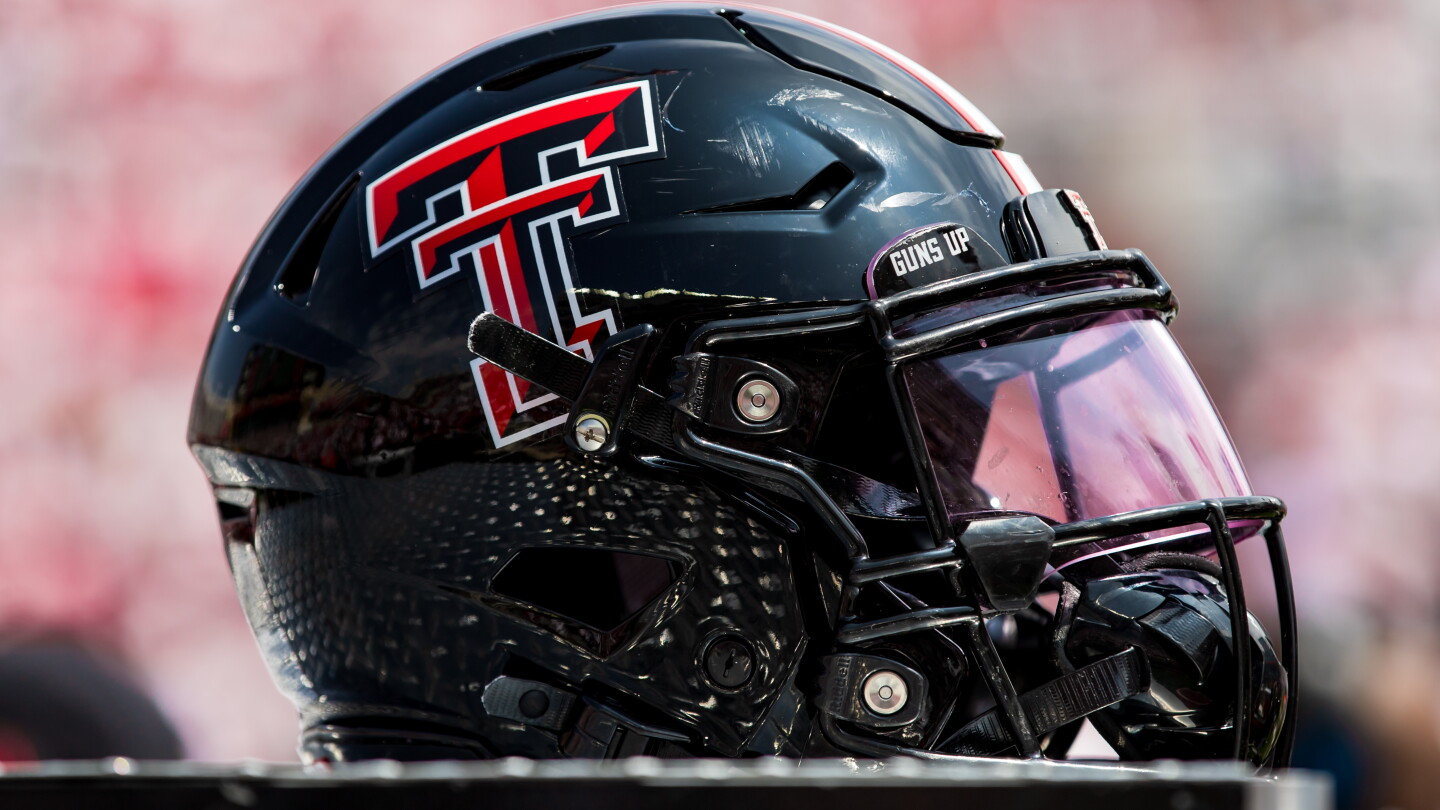
At the Big 12 Media Days (Something Something Monster Energy), Cincinnati football coach Scott Satterfield claimed that Texas Tech was one of several schools that spoke with Sorsby’s camp about transferring before the 2025 season ended. If true, that would be a violation of the NCAA’s tampering rules.
“We had already heard that schools had reached out — Texas Tech in particular had already reached out — with four games left,” Satterfield told Chris Vannini of The Athletic. “So we knew we wouldn’t be able to compete financially with that, so we’d started looking for quarterbacks.”
Sorsby’s agent, Ron Slavin, denied to The Athletic that he heard from Texas Tech before the 2025 season ended.
Tampering is rampant in the Wild West that is college football in the NIL age. Everyone does it, to the point at which any program that doesn’t is operating at a disadvantage.
Satterfield basically acknowledged this.
“[Tampering] happens no matter how you finish the season for everybody,” Satterfield said. “If you’ve got a good player, people are going to contact them. It’s just how we live right now. Everybody’s got agents, and so the player never does it. They don’t really talk to anybody. The agents do all the talking, and they talk to the GMs out there recruiting people. It’s the world we’re living in right now, so there’s nothing you’re going to do about it.”
So why make the claim? Cincinnati has to be feeling a little miffed right now that the Sorsby affair has resulted in the NCAA investigating the Bearcats over Sorsby’s gambling, especially since Slavin has publicly claimed that Cincinnati knew about it for two years.
Satterfield insists the school didn’t know.
“Absolutely we didn’t know,” Satterfield told The Athletic. “If we knew he was doing anything illegal, we would not have played him.”
It’s one thing to not actually know. It’s another thing to know enough to have a duty to find out things you don’t know. That could be part of what the NCAA will be trying to find out.
Read the full article here